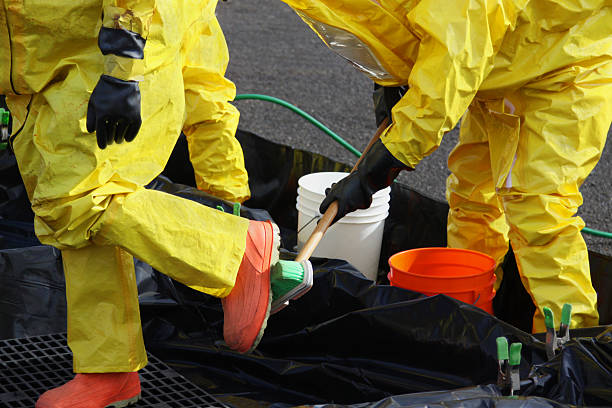
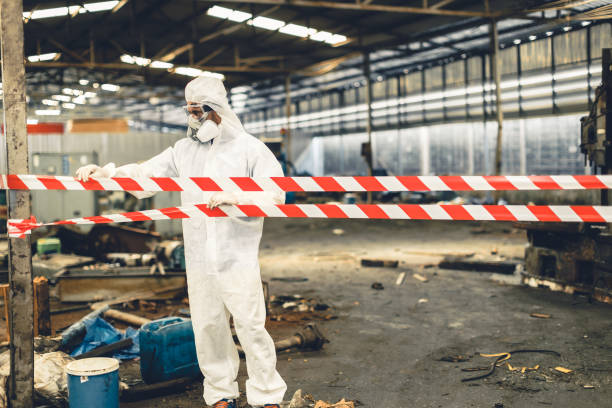
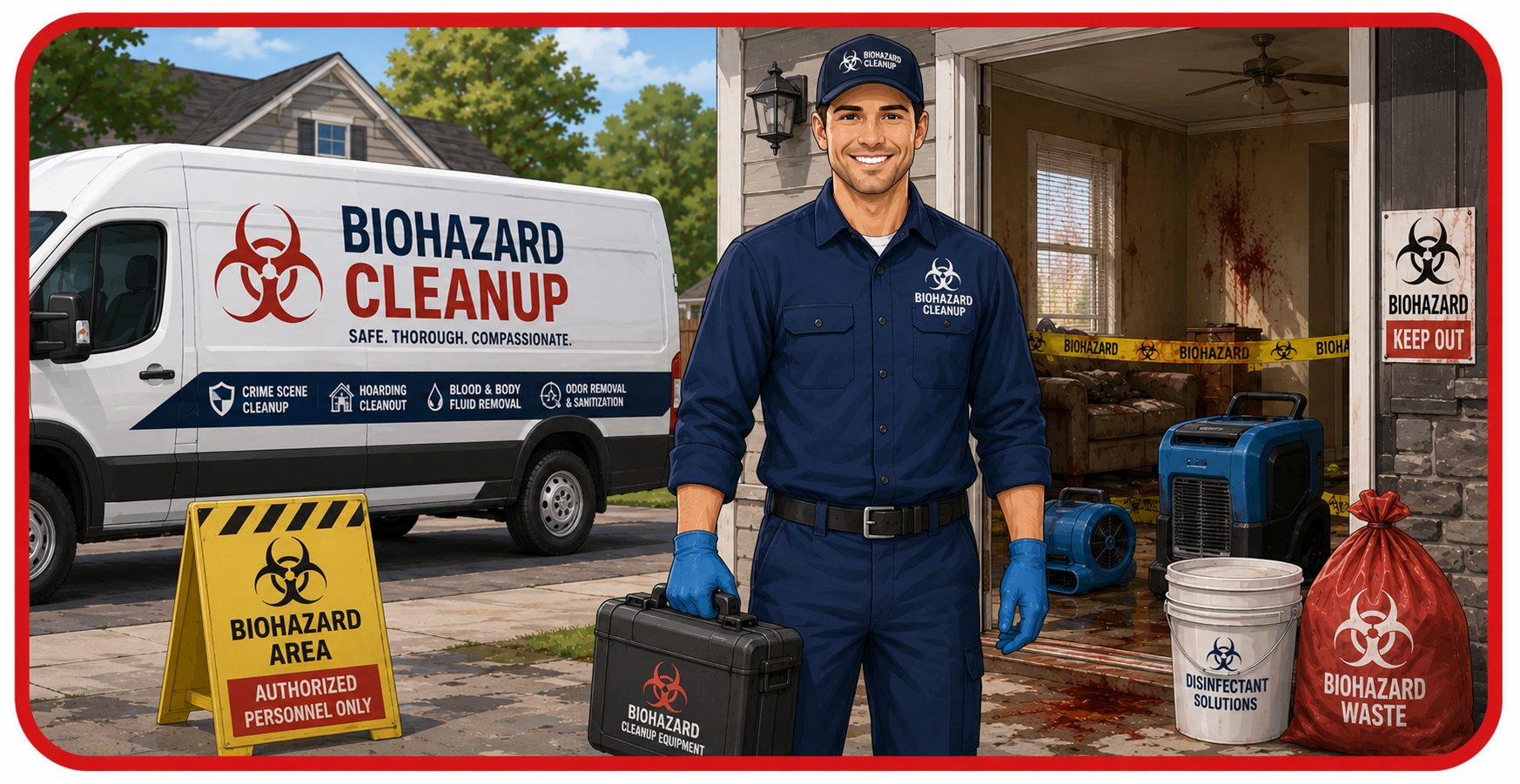
When a confirmed infectious disease event occurs at a Nursery property, every surface touched by the infected individual becomes a potential transmission vector. Fomite transmission — spread through contaminated surfaces — is the mechanism that makes professional decontamination essential. Our Nursery crews apply CDC-aligned protocols with pathogen-specific EPA-registered disinfectants, HEPA air filtration where indicated, and ATP verification at closeout.
📞 Call +1-844-401-0166 — Pathogen-Specific ProtocolInfectious disease decontamination is not a one-size-fits-all cleaning protocol. The pathogen matters, the chemistry matters, and the verification matters. These four standards define how our Nursery team approaches every decontamination event.
Not every EPA-registered disinfectant is rated against every pathogen. C. diff spores require sporicidal chemistry. Norovirus requires specific EPA List G products. MRSA requires different products than norovirus. Our Nursery crews identify the specific pathogen profile at intake and select the correct EPA-registered chemistry for the specific organism — not a generic hospital spray.
For respiratory or aerosolizable pathogens at Nursery properties, HEPA air scrubbers establish negative air pressure in the affected zone before decontamination begins. This containment step — not required for every decontamination job — prevents spread to unaffected areas during the disinfection process.
Infectious disease decontamination at commercial Nursery properties creates documentation requirements for OSHA, public health authorities, and insurance carriers. Our compliance documentation includes the pathogen identification, disinfectant selection rationale, application protocol, contact times, and ATP verification data — a complete regulatory record.
Every Nursery infectious disease decontamination job closes with ATP luminescence testing across all treated surfaces. The numerical readings go into the compliance documentation package — objective, measurable confirmation of decontamination effectiveness for public health authorities, OSHA, and insurance carriers in TX.
From norovirus outbreaks to MRSA decontamination to post-confirmed-COVID deep cleaning — our Nursery infectious disease decontamination service covers every pathogen category with the specific chemistry and documentation each requires.
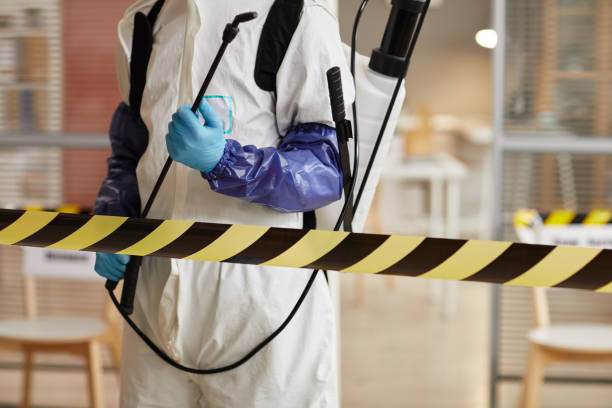
Norovirus outbreaks at Nursery facilities — schools, daycares, senior living communities, restaurants — require EPA List G disinfectants applied at the correct concentration and dwell time. Our crews carry the specific chemistry for norovirus, not a general disinfectant applied with wishful thinking.
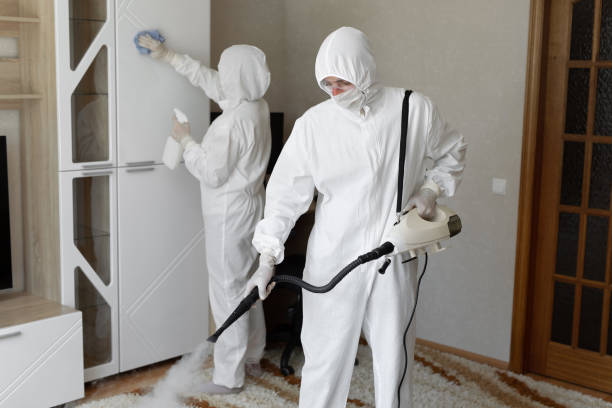
MRSA and other antibiotic-resistant bacteria in Nursery healthcare, fitness, and residential settings require EPA-registered disinfectants rated for antibiotic-resistant organisms. High-touch surface mapping identifies fomite transmission risk areas — door handles, shared equipment, bathroom fixtures — that require thorough treatment with correct contact times.
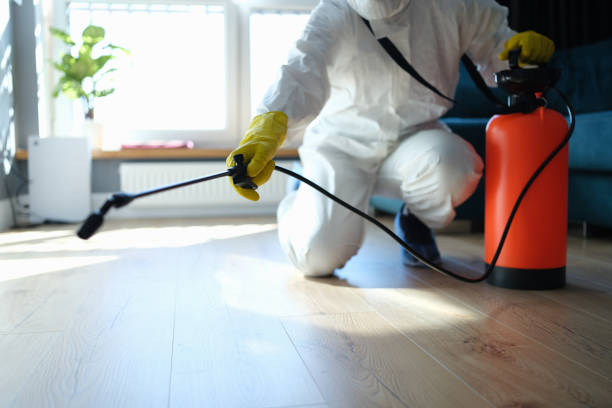
C. diff spores survive standard disinfectants. Decontamination at Nursery properties with confirmed C. diff requires sodium hypochlorite-based sporicidal products at the correct concentration — a specific chemistry requirement that eliminates most general disinfectant spray options. We carry the right products and document the application protocol for every C. diff job.
Respiratory virus decontamination at Nursery residential and commercial properties combines high-touch surface treatment with EPA-registered disinfectants and HEPA air scrubbing where the pathogen profile indicates aerosol or droplet transmission risk. We document the specific disinfectants used and contact times maintained for compliance records.
Infectious disease outbreaks at Nursery commercial facilities — schools, healthcare facilities, food service, fitness centers — create simultaneous public health reporting obligations and operational urgency. Our commercial decontamination crews understand both dimensions, producing the compliance documentation required by public health authorities in TX while restoring facility operational status as quickly as possible.
Residential infectious disease decontamination in Nursery follows the same pathogen identification, chemistry selection, ATP verification, and documentation protocol as commercial jobs. The property type doesn't change the biology — the same rigor applies whether it's an apartment unit or a commercial facility in Nursery, TX.
Identify the pathogen, match the chemistry, apply correct protocol, verify with ATP. Every Nursery infectious disease decontamination job follows this documented sequence.
Call +1-844-401-0166 and provide the confirmed or suspected pathogen information during intake. Our coordinator classifies the organism, determines the EPA disinfectant category required, identifies HEPA containment need, and dispatches the appropriately equipped crew to your Nursery property.
On arrival at your Nursery property, the crew establishes HEPA containment where the pathogen profile indicates airborne transmission risk. High-touch surface mapping identifies fomite transmission risk areas. The written flat-rate estimate details the scope, disinfectant selection rationale, and protocol before work begins.
Disinfectant application at your Nursery property is documented surface by surface: EPA product name and registration number, concentration used, time of application, contact time achieved. This documentation is the regulatory record that public health authorities and insurance carriers in TX require.
Before issuing the clearance certificate at your Nursery property, ATP testing confirms decontamination at all treatment zones. Your compliance package — pathogen profile, product rationale, application records, ATP data, and clearance certificate — satisfies public health, OSHA, and insurance documentation requirements in TX.
"We had a confirmed norovirus outbreak affecting twelve students at our Nursery facility. Crime Scene Cleaner Online identified that standard quaternary ammonium products aren't effective against norovirus and arrived with the specific EPA List G chemistry required. The health department inspection cleared us the following morning. That outcome required the right product — not just any disinfectant."
Facility Director, Nursery — Nursery, TX"C. diff decontamination is specific — sporicidal chemistry or it doesn't work. I'm an infection control nurse and I specifically vetted Crime Scene Cleaner Online's product selection before approving the job. They arrived with the correct sodium hypochlorite-based sporicidal at the right dilution and maintained proper contact time on every surface. The ATP clearance confirmed what the protocol should have achieved."
Infection Control Professional — Nursery, TX"The compliance documentation Crime Scene Cleaner Online produced for our school's decontamination included the specific EPA product registration numbers, contact times, and ATP clearance data our district's risk management office required. Infectious disease decontamination documentation is specific — and they got it exactly right."
Restaurant Owner, Nursery — Nursery, TXOur infectious disease decontamination service covers Nursery and every surrounding community in TX. Schools, healthcare facilities, food service, fitness centers, residential properties — the same pathogen-specific protocol and compliance documentation across every property type in Nursery, TX.
Call +1-844-401-0166 and identify the suspected or confirmed pathogen during intake. Our coordinator matches the crew's disinfectant kit to your specific organism before dispatch.
📞 Call +1-844-401-0166 — Pathogen Identification Intake